Teaching, Mentoring and Coaching
find out about how we help the future generation of equine health professionals below
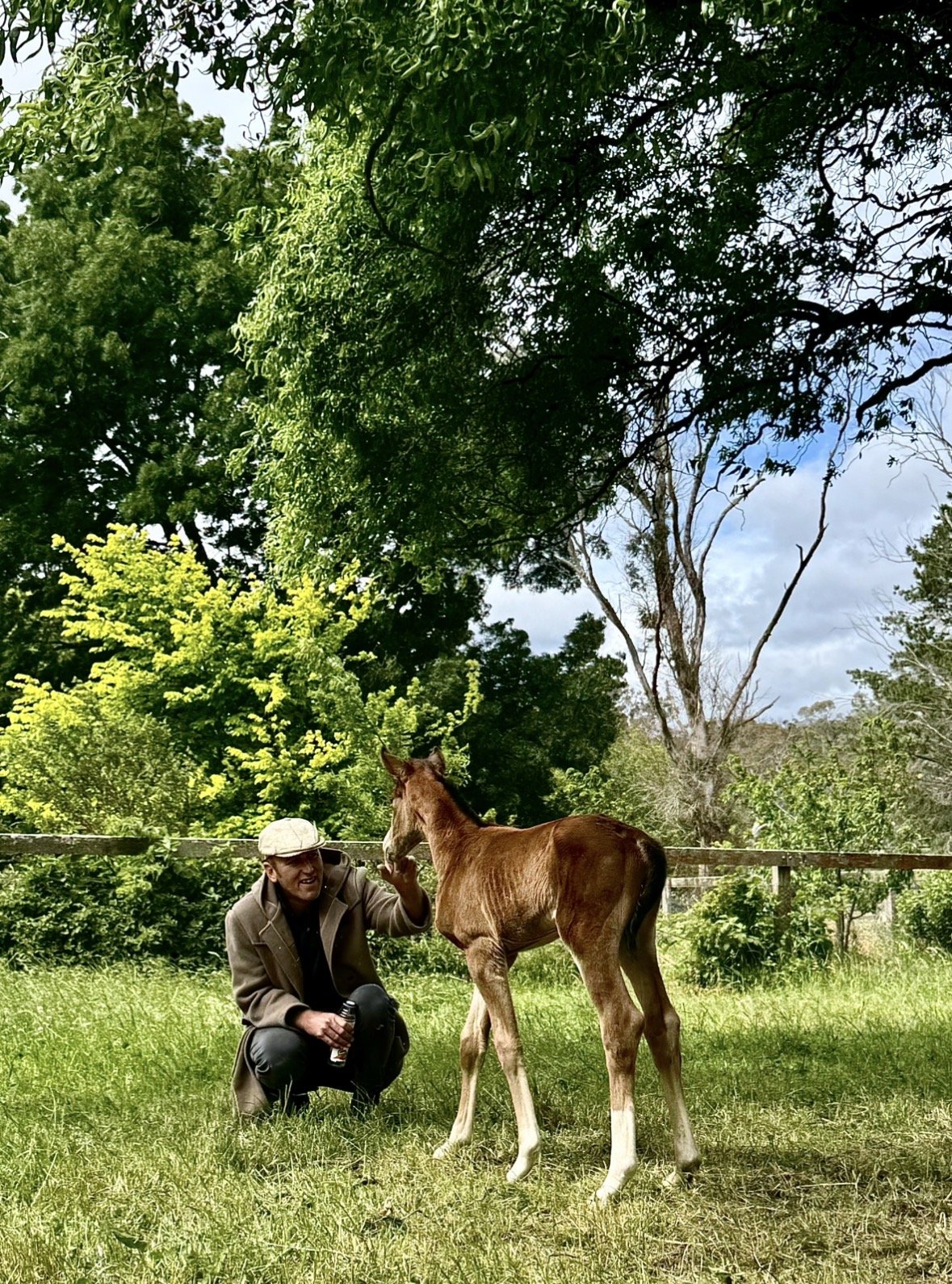
How Dr. Ed Works: Teaching, Coaching and Mentoring
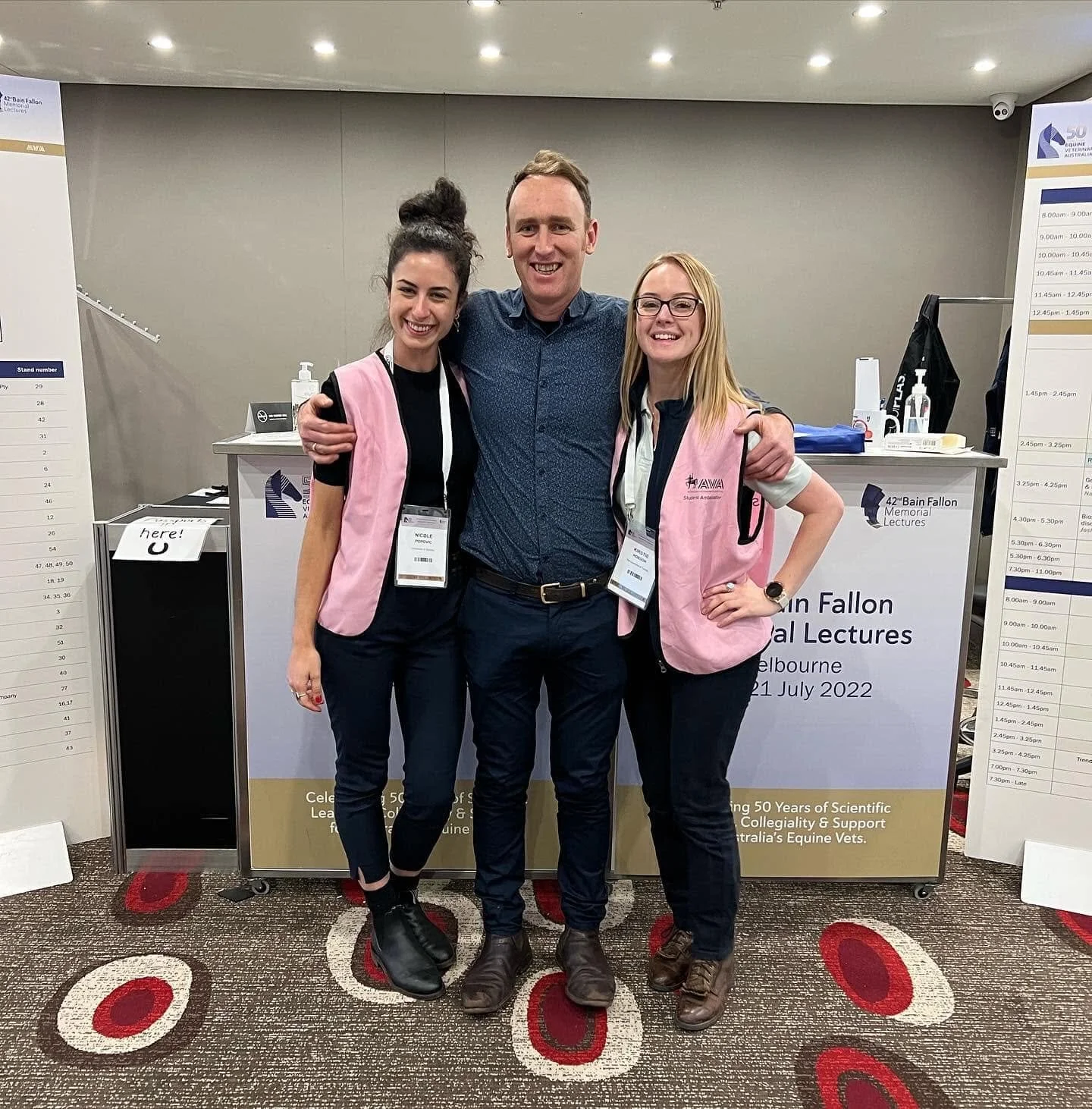
As veterinarians, researchers, and animal health professionals, our growth never stops. Throughout Dr. Ed’s career spanning England, France, and Australia — including extensive involvement with the University of Queensland, University of Sydney, and University of Melbourne veterinary schools (between 2007 & 2020) — he has worked alongside a diverse spectrum of the animal health community. From front-line equine practice and emerging disease research to collaborating with global One Health networks, he has mentored and collaborated with veterinary practitioners, scientific researchers, and farriery professionals facing distinct, real-world challenges.
Different professional hurdles require different forms of support. Dr. Ed structures his approach into three distinct pillars to ensure students, clinicians, scientists, and farriers get the guidance they need to thrive.
1. Teaching: Foundational Biosecurity and One Health Science
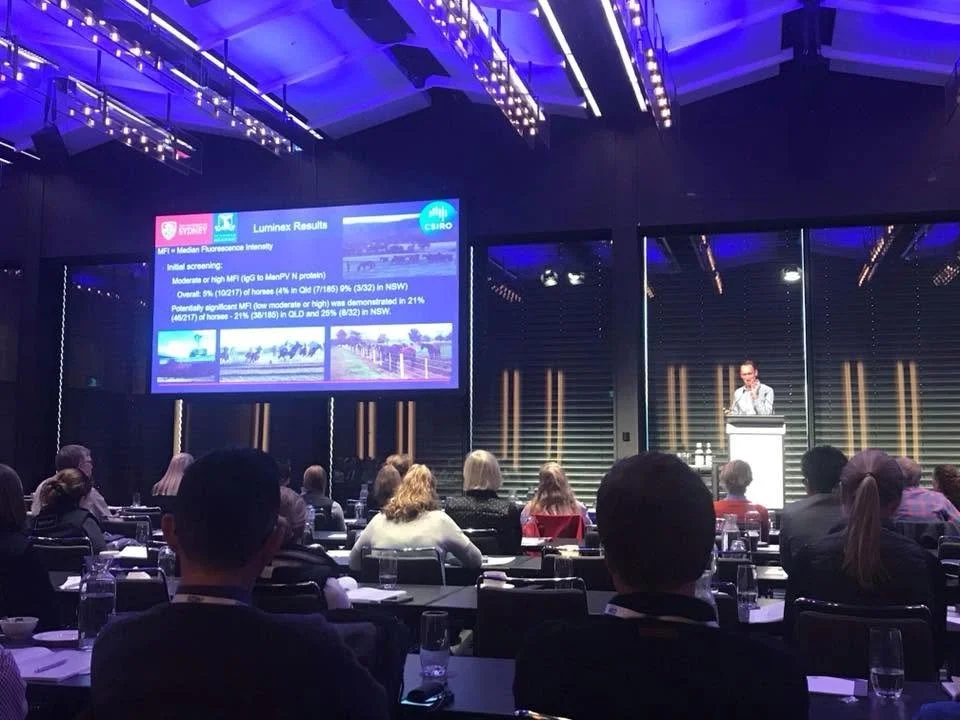
Teaching bridges a complete knowledge gap. When handling emerging infectious zoonotic diseases, managing biosecurity risks, or mastering field epidemiology, precision is essential. This directive path draws directly from Dr. Ed’s academic and clinical teaching across multiple university veterinary schools.
The Focus: Delivering clear, structured, and evidence-based curriculums.
What it looks like: Lectures, structured clinical workshops, and definitive training on biosecurity protocols, PPE implementation, and zoonotic disease surveillance.
Driven by Research: Informed by frontline work in disease discovery, including attending the first two known cases of Australian Bat Lyssavirus in horses and collaborating with international teams to detect emerging pathogen variants.
Best for: Students, researchers, and animal health teams who need absolute, up-to-date technical knowledge to operate safely on the frontlines.
2. Coaching: Real-World Clinical Execution and Field Skills
Coaching supports those who understand the theory but want to elevate their practical, day-to-day execution. Dr. Ed’s role here acts as a thought partner to sharpen independent clinical reasoning and cross-disciplinary collaboration.
The Focus: Developing autonomous field skills, confidence, and cross-disciplinary coordination.
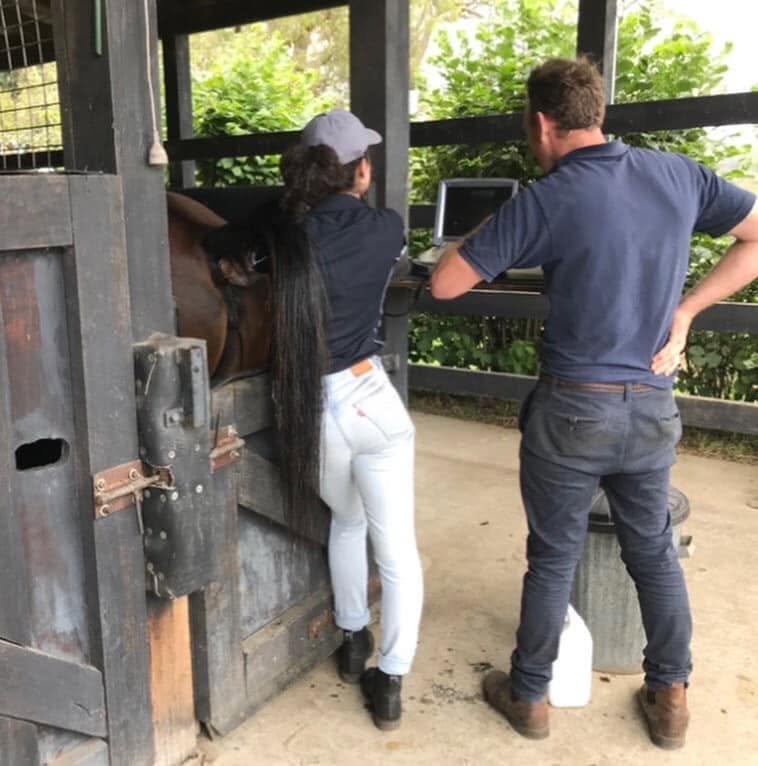
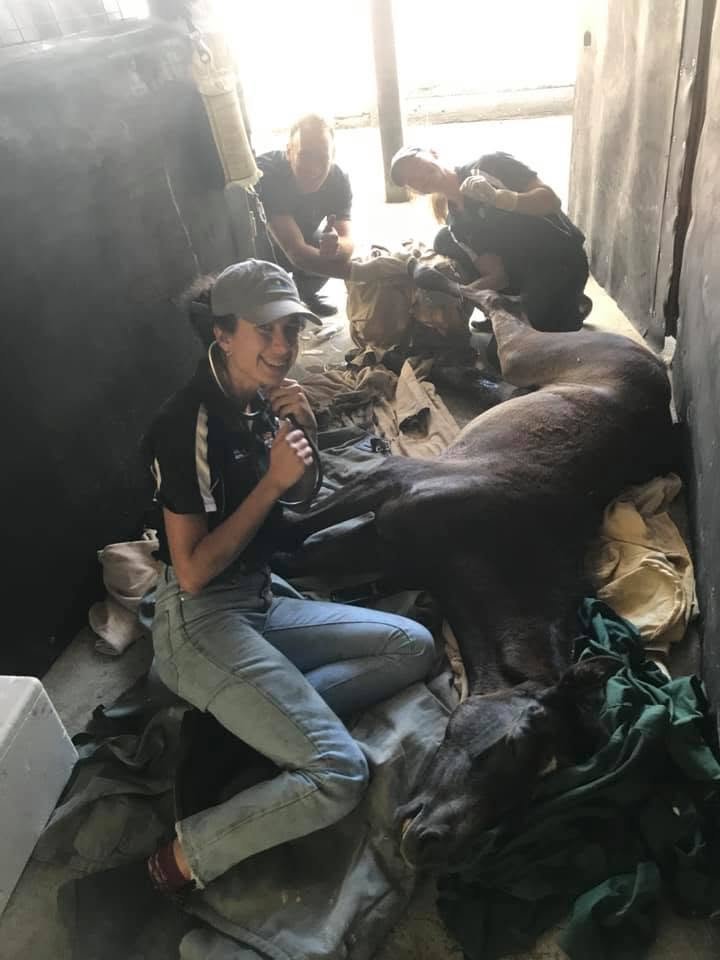
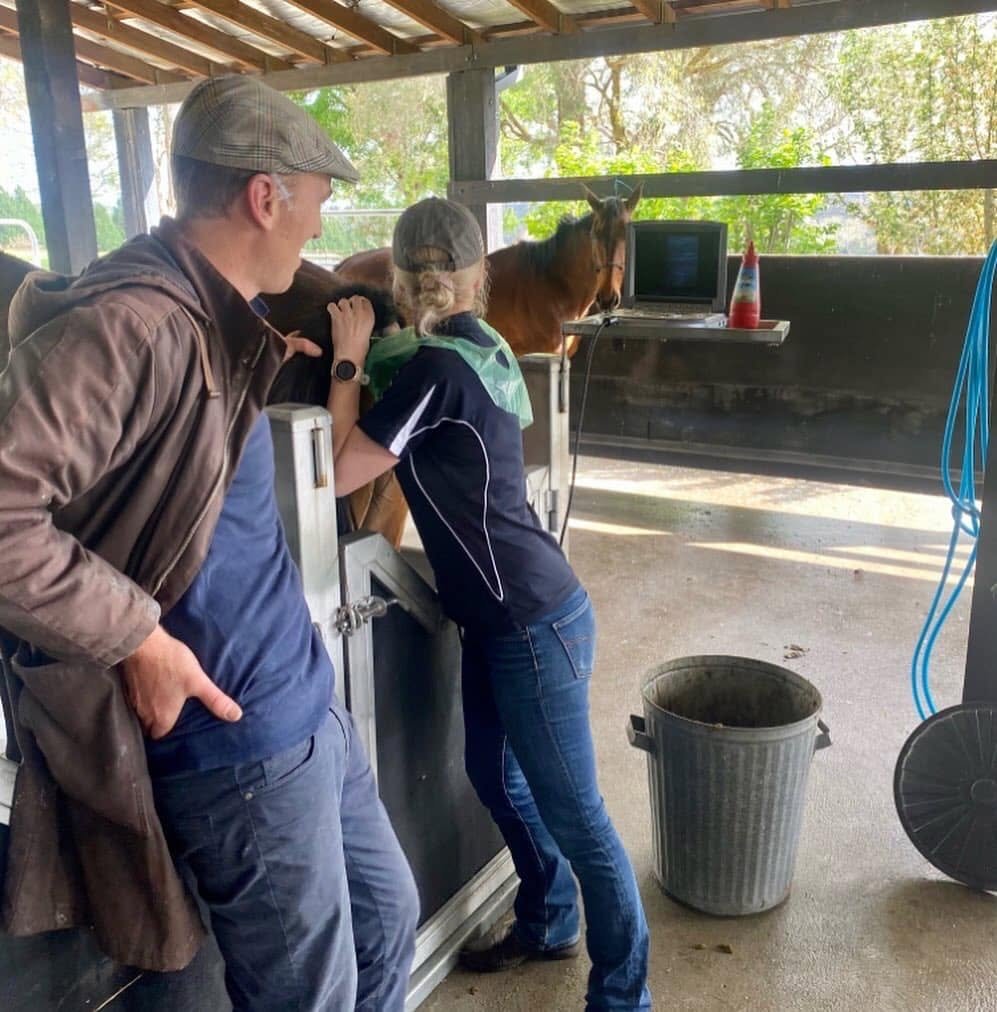
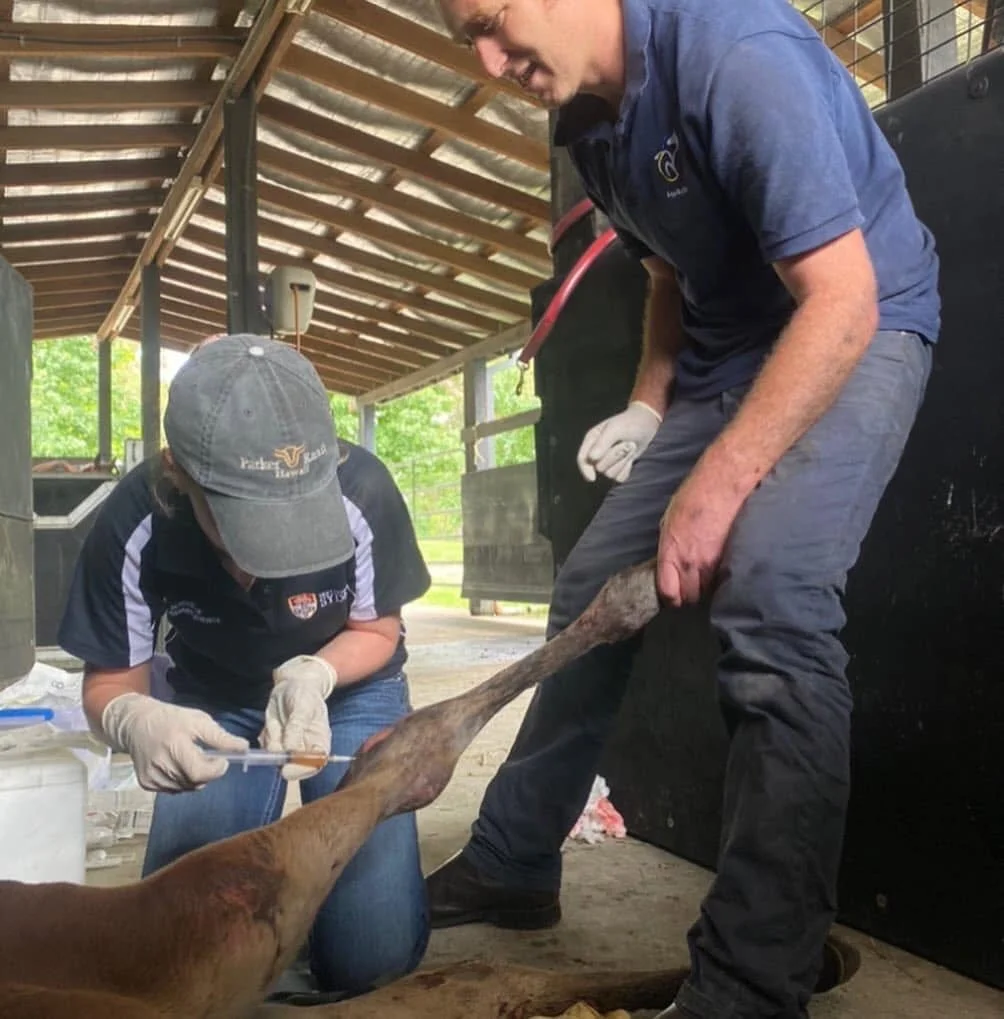
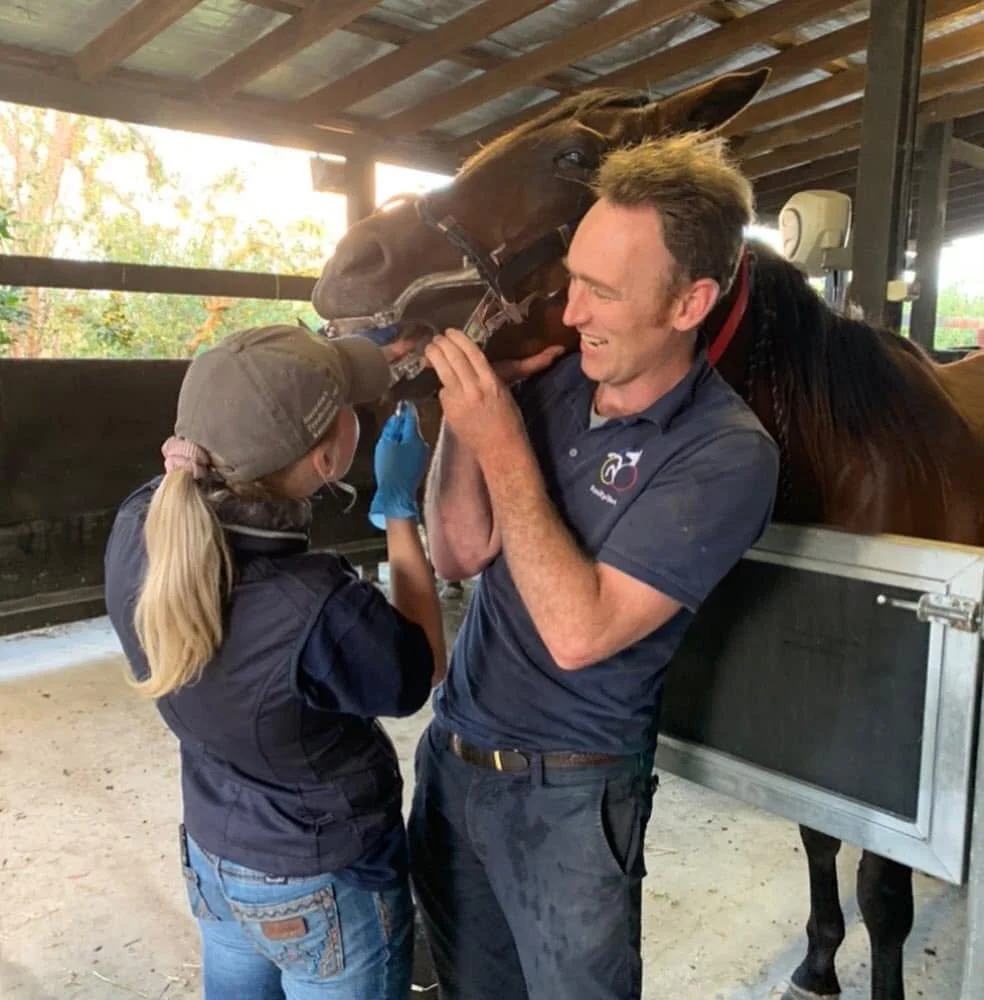
What it looks like: Side-by-side guidance during equine assessments, or working through complex multi-disciplinary cases involving veterinary, scientific, and farriery considerations. Dr. Ed uses targeted questioning to refine diagnostic instincts, handling safety, and high-pressure communication.
Driven by Research: Emphasizing the horse as a critical sentinel for emerging threats, looking closer at unexplained neurological and respiratory signs to catch novel developments early.
Best for: Interns, new graduates, and transitioning professionals looking to build real-world autonomy.
3. Mentoring: Long-Term Career Navigation and Wellbeing Advocacy
Veterinary, scientific, and farriery careers are deeply rewarding yet demanding. Drawing from a wealth of international experience mentoring professionals across the UK, France, and Australia between 2007 and 2020 — and having navigated the pressures of emergency outbreaks and occupational stress himself — Dr. Ed’s focus is on supporting the whole person.
The Focus: Sustainable career longevity, cross-industry perspective, and personal well-being.
What it looks like: Trusted, long-term professional relationships looking beyond daily demands to focus on boundary-setting, navigating international career pathways, and balancing clinical or scientific passion with sustainable health.
Best for: Anyone in the broader veterinary, scientific, or farriery community seeking an experienced sounding board to build a resilient, lifelong career.